This guide explains how to interpret the identifier 01047554402 and make informed purchasing decisions when sourcing products. Objectively, such numeric codes are commonly used for cataloging, traceability, and internal inventory control. You’ll also find a practical comparison of sourcing conditions, a checklist of requirements, and FAQs to support safer procurement planning.
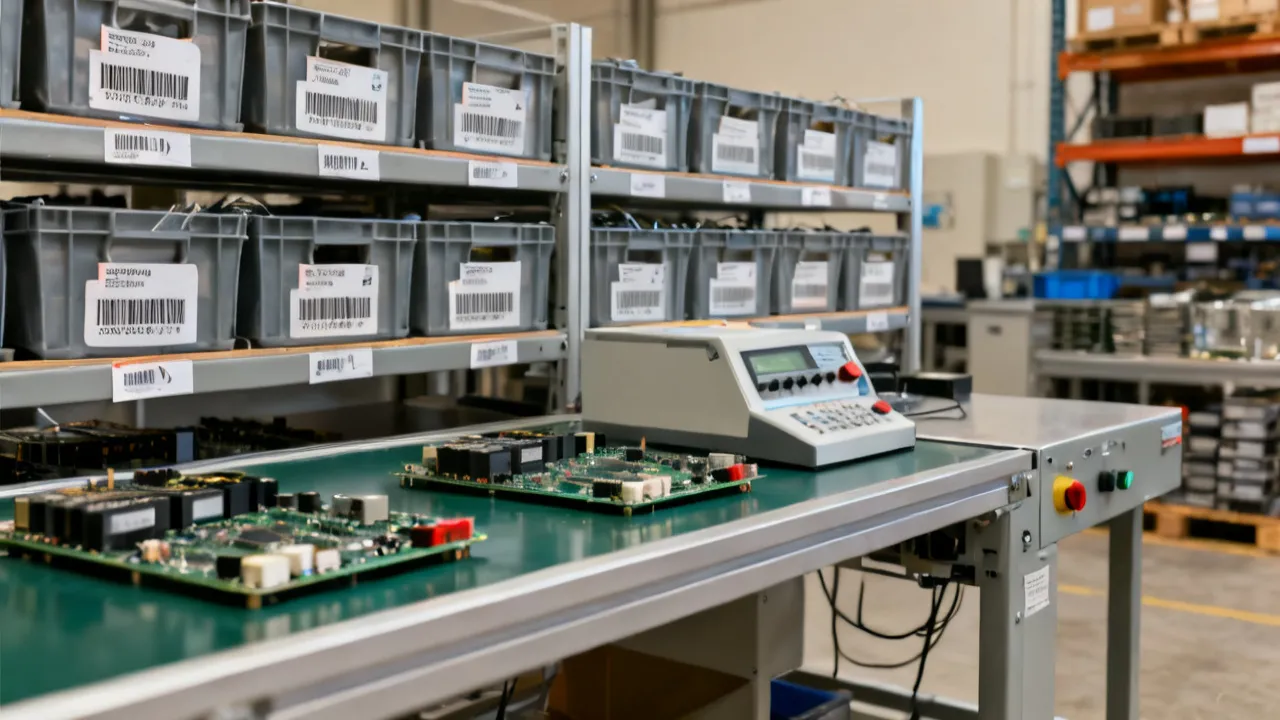
If you’re working with an identifier like 01047554402, the first practical step is to confirm what it maps to—typically a catalog reference, batch reference, internal item code, or traceability tag—before you commit to price, lead time, or specifications. In professional procurement workflows, a code alone is rarely enough; it must be validated against the supplier’s product data, packaging documentation, and quality records. When you plan your sourcing approach around that validation, you reduce downstream risks such as mismatched SKUs, incorrect variants, or documentation gaps.
Because you also provided keywords framed as a set of numeric strings (including 01047554402), it’s reasonable to treat them as reference identifiers rather than promotional terms. In many industries—electronics, industrial components, logistics, and procurement operations—numeric identifiers help ensure that the same item is being quoted, shipped, and received across multiple departments.
At the same time, it’s important to acknowledge a real-world procurement nuance: numeric strings are used by different parties for different purposes. A buyer may see “01047554402” and assume it is a manufacturer part number, while the supplier may be using it as an internal warehouse SKU that can map to multiple manufacturer revisions depending on packaging configuration or region. That difference can become costly if you treat the identifier as a guarantee of form/fit/function.
So, the “priority overview” for sourcing with 01047554402 should always be framed as: identify the identifier. Then, once it’s clarified, proceed to validate specifications and commercial scope. Only then should you move toward negotiations, purchase order release, and receiving/inspection acceptance.
From an industry-expert perspective, identifiers like 01047554402 exist for operational clarity. They connect sales quotations to warehouse systems, connect warehouse picking to shipping documents, and connect received items to quality assurance checks. When the identifier is handled correctly, it becomes the backbone for:
However, the professional caution is that not every identifier has the same scope. Some codes are manufacturer-level, while others are distributor-level. Some reference packaging lots; others reference engineering revisions. That is why the verification step is non-negotiable.
To expand that idea, consider a typical scenario in sourcing departments. You receive a quotation with a line item referencing 01047554402. The engineering team compares it to a required specification and agrees it “seems” right. Then the logistics team places the order. When the shipment arrives, the receiving team uses the identifier on the label to confirm the shipment contents. If the supplier’s label uses one code system and your internal system expects another, you can end up with:
In other words, numeric identifiers are not merely administrative. In mature procurement organizations, identifiers are treated as control points in a wider system: order creation, warehouse picking, shipment labeling, receiving, inspection, and record retention.
Even when your organization is not heavily regulated, operational best practice still favors disciplined mapping and validation. A procurement team that takes the time to confirm what 01047554402 represents tends to have fewer returns, fewer disputes, and fewer “grey area” cases where both parties argue about what was actually supplied.
Even when a supplier provides a quote, the “real” work is verifying that 01047554402 corresponds to the exact product the quote assumes. A top-practice procurement validation usually includes:
To make this more actionable, you can translate the steps into concrete supplier questions and internal acceptance checks. For example:
Once you have these answers, you can align procurement decisions more confidently. Negotiating price without first validating identity often leads to rework later—potentially including additional charges for repackaging, sorting, replacement shipments, expedited freight, and customer-facing concessions.
Also consider the timing of validation. In many supply chain organizations, suppliers provide quotes quickly, but mapping and documentation details may take longer. You should therefore build time into the sourcing plan for documentation verification, especially for regulated materials, components used in safety-critical systems, or products where counterfeit risk exists.
In many supply chains, suppliers maintain different layers of codes:
Your identifier 01047554402 could represent one of these layers. The expert approach is to ask the supplier which layer it is and what documentation it appears in. This reduces “quote-to-receipt mismatch,” one of the very common procurement friction points.
Here’s how those layers typically behave in real procurement systems:
One practical way to reduce ambiguity is to request an “identifier usage matrix” from the supplier. In such a matrix, the supplier lists each code (including 01047554402) and specifies where it appears: quote line, purchase order acknowledgment, invoice, packing list, carton label, inner pack label, certificate of analysis, certificate of conformity, and any test report.
Even if the supplier can’t provide a formal matrix, you can achieve the same outcome by requesting sample documents where 01047554402 appears. For example, if they can provide a redacted packing list or a photo of a real shipping label containing the code, your team can cross-check that it appears where you expect.
You mentioned price information in your instructions; however, no explicit price value was included alongside the numeric identifier. In professional sourcing, that absence is itself a prompt to proceed carefully: pricing needs a defined basis. A fair, objective negotiation depends on knowing:
From an industry standpoint, a “cheap” quote can become expensive if the identifier is not validated and the received item requires rework, returns, or compatibility testing. The very robust procurement decisions treat price as a final outcome of verified scope, not as the starting point.
To illustrate why “price depends on scope,” think about common procurement cost drivers that are often excluded from the unit price:
So, when a supplier quotes only against 01047554402 without defining scope and documentation, you should consider it incomplete for negotiation purposes. A better process is to ask the supplier to confirm what exactly the quotation covers, including which documents they will deliver and which revision/variant they will supply.
In practice, procurement teams often use a “quote normalization” step. Quote normalization means converting each supplier’s offer into comparable components: unit price × quantity, plus included documentation and test scope, plus packaging format, plus estimated freight and lead time impact. Without identifier validation, quote normalization can be misleading because you might be comparing different underlying items under the same code label.
The table below compares common sourcing conditions that matter when you are validating identifiers such as 01047554402. It’s written to help you discuss requirements with suppliers in a structured, objective way. (No links are included.)
| Assessment Area | What to Ask | Why It Matters | Acceptable Evidence |
|---|---|---|---|
| Identifier mapping | “What does 01047554402 correspond to in your system?” | Prevents SKU mismatch | Product mapping record or documented SKU cross-reference |
| Specification confirmation | “Which technical specs are tied to 01047554402?” | Ensures compatibility | Spec sheet excerpt or technical data attached to the item |
| Revision control | “Is there a revision level associated with 01047554402?” | Avoids outdated variants | Revision notation in the quote and packing list |
| Quality documentation | “What quality records reference 01047554402?” | Supports acceptance testing | Inspection report, certificates, or test summary tied to the identifier |
| Packaging and labeling | “How is the identifier printed/encoded on the shipment?” | Improves receiving accuracy | Photos of labels or an example packing label template |
| Commercial scope | “Does the price include documentation, testing, or warranty coverage?” | Aligns cost with deliverables | Statement of work or quotation line-item breakdown |
| Lead time assumptions | “Is 01047554402 stock or made-to-order?” | Controls delivery risk | Stock status notice and delivery schedule terms |
To strengthen this table for operational use, consider adding internal acceptance and escalation columns. For example, you could specify:
Even if you don’t include these additional columns in the formal document, it’s valuable to embed the logic in your procurement playbook. That ensures that validation doesn’t remain theoretical.
Use the steps below as an operational checklist. This approach is designed for procurement teams, engineering evaluators, and logistics receivers who need a consistent method for confirming item identity.
It can help to expand this checklist into roles and responsibilities. A practical procurement execution model often looks like this:
Once everyone is clear on responsibilities, you reduce “handoff gaps” where one team assumes another has already verified the mapping. In mature procurement organizations, the verification of 01047554402 is treated as a shared control point.
Also, consider the documentation format you receive. Some suppliers provide mapping details in plain text; others provide spreadsheets; others provide PDF documentation. Your internal system may require consistent data formatting. If you plan ahead, you can request documentation in a consistent format during supplier onboarding or during quote stage.
Traceability has become a core expectation in supply chain management because it supports both operational efficiency and compliance. While the specifics vary by sector, the overall logic is stable: when product identity is clearly encoded and documented, organizations can investigate quality issues faster and reduce the impact of incorrect shipments.
For an objective framing of top-practice principles, you can reference established guidance from recognized bodies and reporting frameworks. For example, traceability and supply chain responsibility are discussed across multiple sustainability and supply chain standards, and quality management is treated as a process discipline in widely used quality management references.
To make the traceability concept concrete in the context of 01047554402, imagine an internal nonconformance workflow:
In regulated industries—such as medical devices, aerospace, automotive components, defense, or food-contact materials—traceability is not merely operational convenience; it is often a compliance expectation. However, even in less regulated sectors, traceability drives:
Additionally, traceability helps with supplier performance evaluation. Procurement can compare suppliers not just on price and delivery, but also on the completeness and accuracy of documentation, the consistency of identifiers across shipments, and the responsiveness to corrective actions.
When 01047554402 is involved, traceability depends on two things:
Procurement teams that treat these as verification requirements—rather than “best effort”—tend to maintain smoother receiving and fewer disputes later.
Your request did not include explicit performance numbers, and there’s no reliable, single statistic that can be responsibly attached to the identifier 01047554402 itself. When procurement professionals discuss traceability improvements, the top practice is to cite the supplier’s or organization’s internal metrics, or to use sector reports from reputable organizations. If you want, share your industry category (e.g., industrial components, electronics, packaging materials), and I can point you to the very relevant public reports for that category.
Even though it’s not appropriate to attach a specific statistic to 01047554402 without knowing what it represents, you can still define useful internal metrics to evaluate whether your process for validating identifiers is working. For example:
By measuring these, you effectively convert the “identifier validation” topic into tangible process performance—without pretending that 01047554402 itself has inherent performance characteristics.
Also, it’s worth mentioning a common misconception: that a longer identifier or a more complex numeric string is “more accurate.” In reality, accuracy depends on the supplier’s mapping discipline and the buyer’s controls, not on how many digits the code contains. Whether 01047554402 has 10 digits or 12 digits, the controlling factor is whether it’s consistently mapped to correct technical specifications and linked to supporting documentation.
In very sourcing contexts, 01047554402 is an identifier used to map a quoted item to an internal catalog, SKU, batch/lot, or revision record. Its exact meaning depends on the supplier’s system, so you should request the supplier’s mapping explanation and confirm it against documentation.
Sometimes the identifier is used as a “key” in supplier databases rather than a direct manufacturer code. In those cases, you may need the supplier to provide an additional mapping to the actual manufacturer part number and revision level. If you do not request that cross-reference, you may end up with an item that is correctly coded within the supplier’s operations but not necessarily correct for your engineering requirements.
A quote becomes trustworthy when 01047554402 is supported by matching technical specifications and consistent appearance across the quote line item, packing list, invoice, and (where applicable) quality records. Without that alignment, there is a risk of variant mismatch.
A practical rule of thumb: if 01047554402 appears alone with no product description, no revision details, no spec sheet reference, and no packaging description, treat the quote as incomplete. You can still use it to start discussions, but you should not treat it as a final purchasing authorization.
Ask for: product mapping for 01047554402, technical spec confirmation, revision/variant level, labeling/packaging format, and documentation scope included in the price. Then define acceptance checks your team will perform on receipt.
To reduce ambiguity further, request the supplier to explicitly confirm how they will label the shipment. For example, ask whether 01047554402 will appear on the carton label, on inner pack labels, and/or on the certificate documents. If the identifier appears only in one place (such as internal database records) and not on the physical packaging, your receiving team may not be able to verify identity quickly.
Verify the identifier on the shipment label/packaging, confirm that it matches the invoice and packing list line item, and check the critical specs relevant to your application. If the shipment is lot-controlled, ensure the lot/batch documentation also aligns.
In operational terms, a good verification workflow includes a “three-way match”: PO line item code ↔ shipping label/pack code ↔ invoice/packing list line item. If all three match and the technical specs match your acceptance criteria, you can proceed to inspection/acceptance. If any element differs, quarantine and escalate before you consume the items in production.
Not by itself. Quality is supported by the supplier’s documented quality processes and records. The identifier helps trace what was supplied; it does not replace quality verification. If quality documentation is required for your use case, request it explicitly and tie it to the identifier.
For example, if your application requires a certificate of conformity, the supplier must provide a certificate that references the correct item/lot and shows relevant inspection results. If the certificate references a different lot or a different product code than 01047554402, you may need to reject the shipment paperwork or request correction.
That is a procurement risk signal. You can request a cross-reference to their manufacturer part number or engineering revision. If they cannot provide clear mapping or consistent documentation, consider alternative suppliers or request corrected documentation before accepting deliveries.
It’s also worth distinguishing between “can’t explain because they’re busy” and “can’t explain because their system is inconsistent.” A supplier who responds quickly with a mapping cross-reference and sample documents demonstrates traceability discipline. A supplier who repeatedly provides unclear mapping or changes the interpretation of the code without documentation is a higher risk for mismatch and for compliance issues.
Common conditions include: documentation requirements, spec/variant confirmation, acceptance testing steps, labeling/traceability requirements linked to identifiers like 01047554402, lead-time responsibilities, and procedures for handling mismatches or returns.
In practice, you may also include:
These conditions help ensure that 01047554402 is not treated as a “best effort code” but as an operational control point backed by contractual responsibilities.
When procurement decisions rely on a numeric reference like 01047554402, the very professional approach is to treat it as a starting key, not an end proof. Validate mapping, confirm specifications, align commercial scope with delivered scope, and ensure the supplier’s documentation flow is consistent. If you follow the step-by-step checklist and use the comparison table to structure supplier discussions, you’ll create a more reliable purchasing process—one that supports correct receiving, traceable accountability, and fewer operational disruptions.
Finally, if you’re building a repeatable sourcing workflow, consider standardizing how your team captures and stores the mapping results for identifiers like 01047554402. For example, record the mapping answer you receive from the supplier (SKU ↔ manufacturer part number ↔ revision ↔ packaging format ↔ required documents). When the same supplier is used again, you can validate faster and reduce the risk of institutional memory loss.
That’s the ultimate goal: not just “getting an item,” but building a sourcing system where identifiers like 01047554402 consistently lead to the correct technical and documentation outcomes across the full supply chain.
A Guide to Cost-Efficient Small Electric Cars for Seniors

Mastering Debt Consolidation: Boost Your Credit Score and Manage Interest Rates

Your Guide to Loans, Credit Checks, and Interest Rates

Affordable Independent Living: Finding the Right Senior Housing

Guide to Senior Living Apartments: Affordable and Comfortable Environments

Leasing a Car: Expert Tips for Your Next Vehicle

Maintaining Oral Health After Tooth Loss with Dental Implants

Maintaining Oral Health with Dental Implants for the Elderly

Understanding Joao.clemente.de.soiza.c.p.f Identifiers
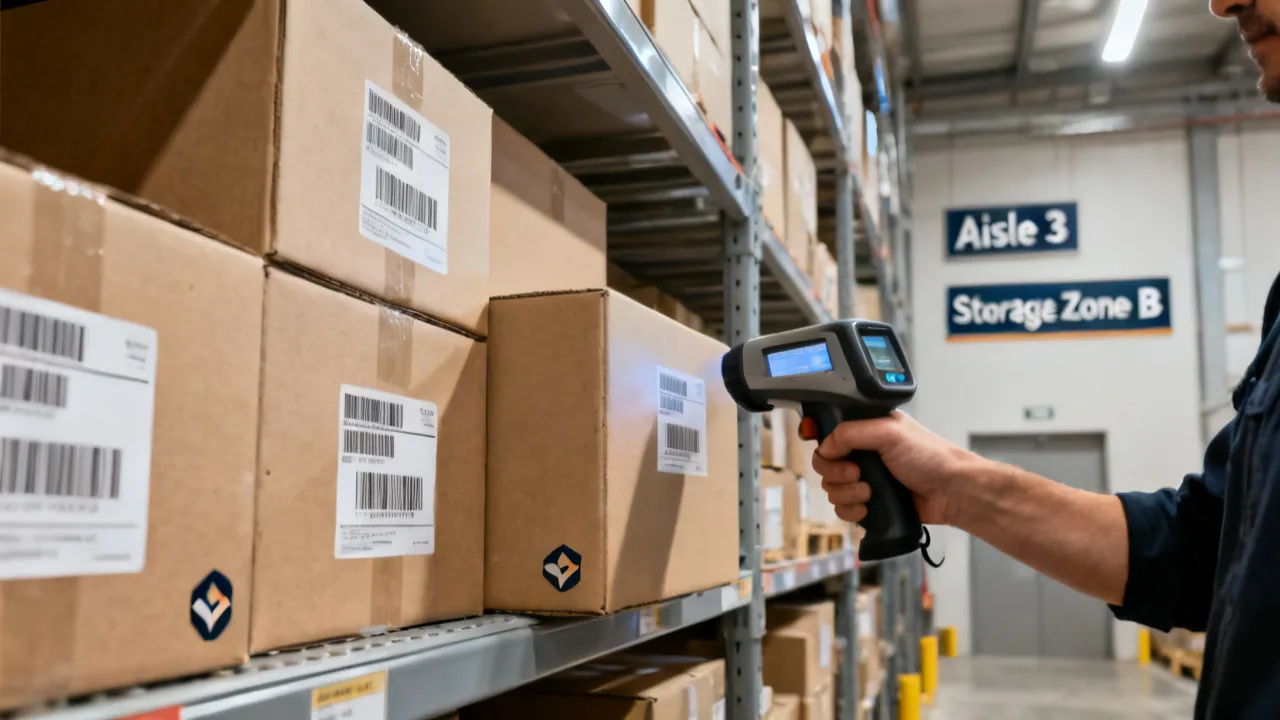
Understanding 1382 013 000200312 and Supply Details
This guide explains the practical meaning of “1382 013 000200312” and how identifiers and supplier references (including “1382 013 000200312”) support procurement accuracy, inventory control, and traceability. Objectively, such codes typically function as internal catalog, packaging, or batch identifiers, helping organizations match goods to specifications and documentation.
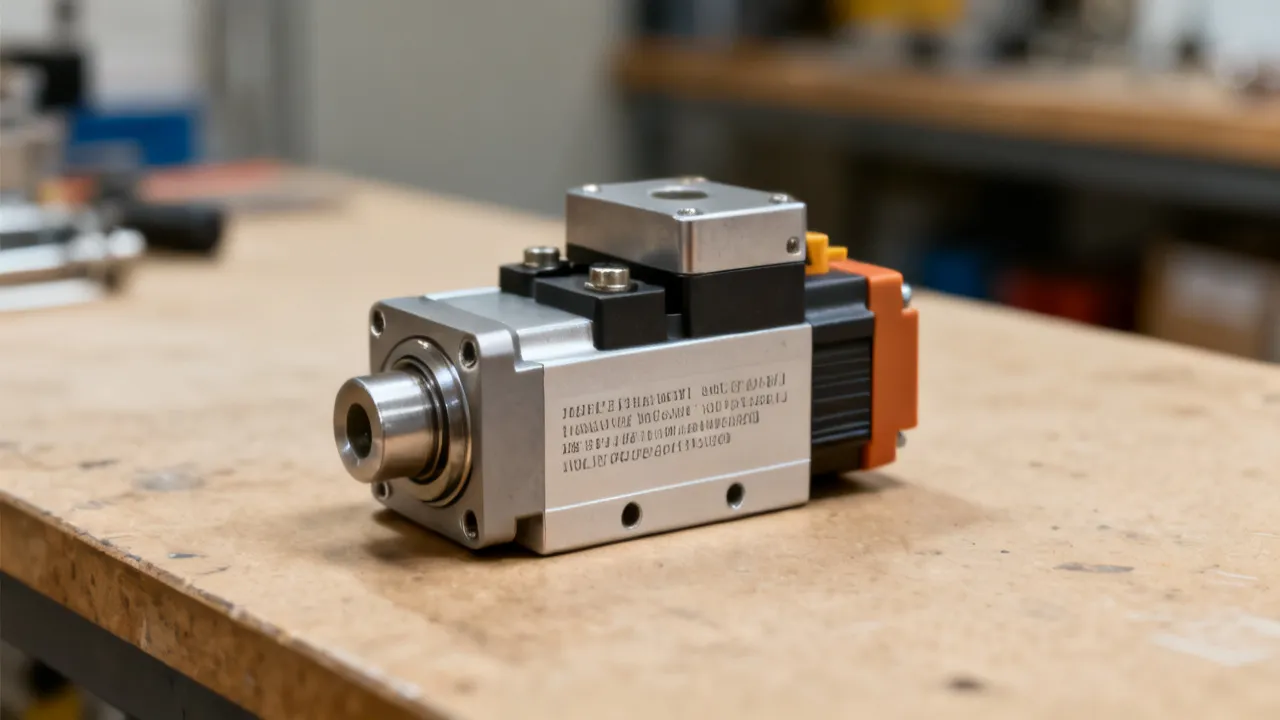
Understanding Code 1382 013 000200312 in Supply Chains
This guide explains how code “1382 013 000200312” fits into procurement, inventory control, and supplier coordination. The keywords point to structured identifiers used to link technical documentation and purchasing workflows. You’ll learn what the sequence may represent in practice, how to validate it with suppliers, and which requirements typically reduce fulfillment risk.
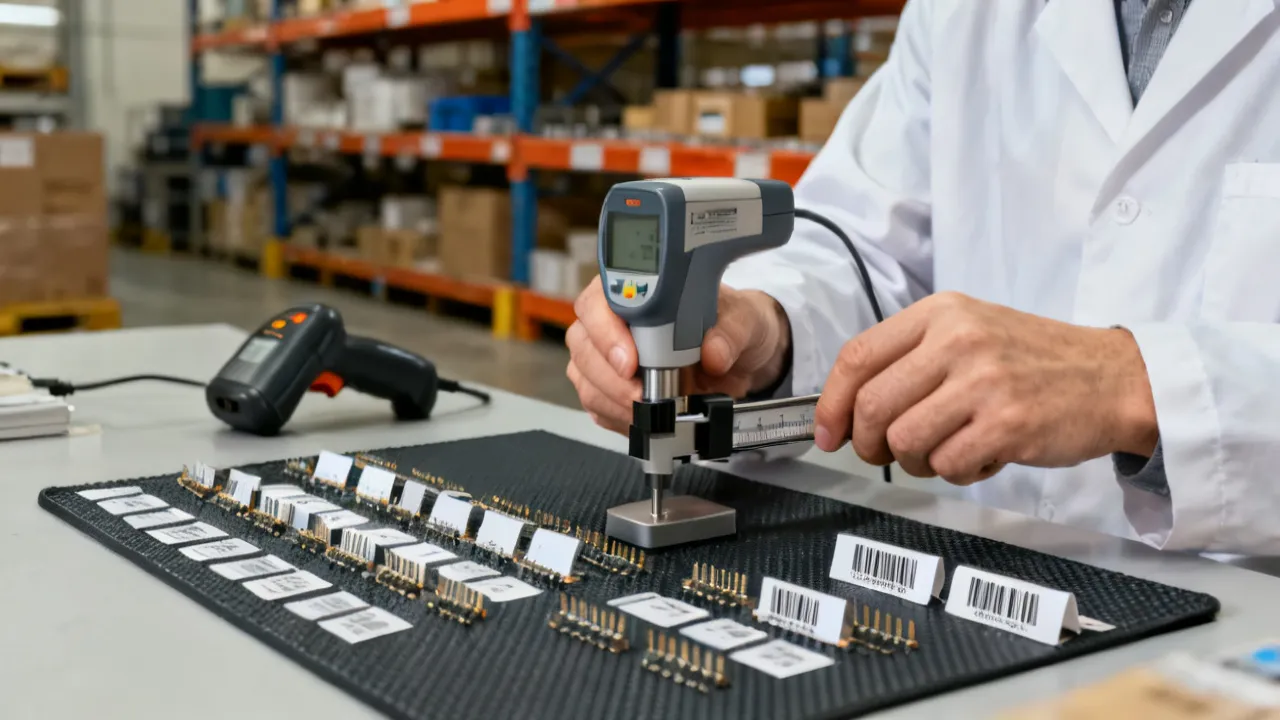
Guide to Product Codes, Sourcing, and Pricing
This guide explains how product identifiers and supplier references such as 1382 013 000200312 can be used to streamline sourcing and verify pricing in industrial transactions. It provides objective background on why code-based traceability matters, how buyers reduce mismatches, and what documentation to request when working with manufacturers and distributors.
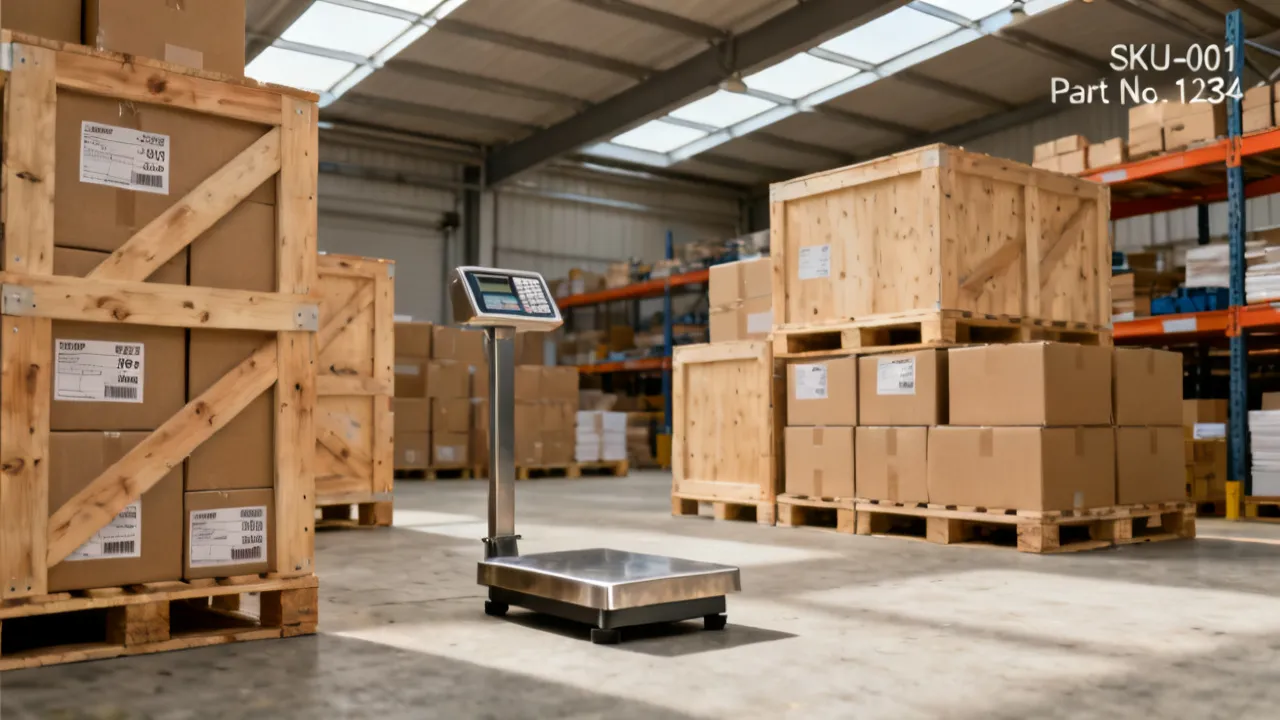
Understanding 95999028383 Supply Options and Pricing
This guide explains how to evaluate 95999028383-related supply options, pricing, and supplier reliability using a structured, objective approach. The keywords point to a specific sourcing context, where quotation accuracy, documentation quality, and fulfillment capability matter. Background details below outline typical procurement considerations, risk checks, and how to compare offers without relying on assumptions.
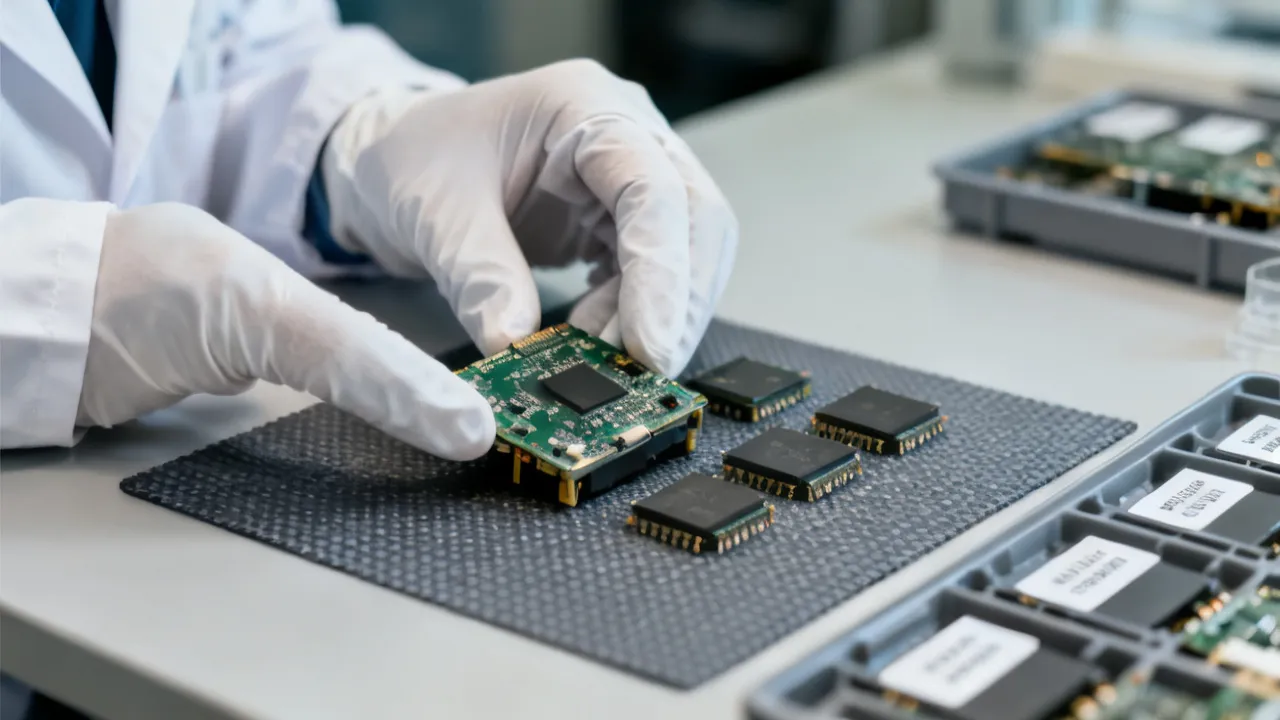
Understanding 95999028383x: Supply, Sourcing, and Use
This guide explains how to evaluate the product reference “95999028383x” in the electronics supply chain, including sourcing considerations, typical pricing variables, and supplier verification steps. Objectively, such alphanumeric codes are commonly used for inventory tracking, compatibility mapping, and order accuracy, especially when multiple revisions or packaging options exist.
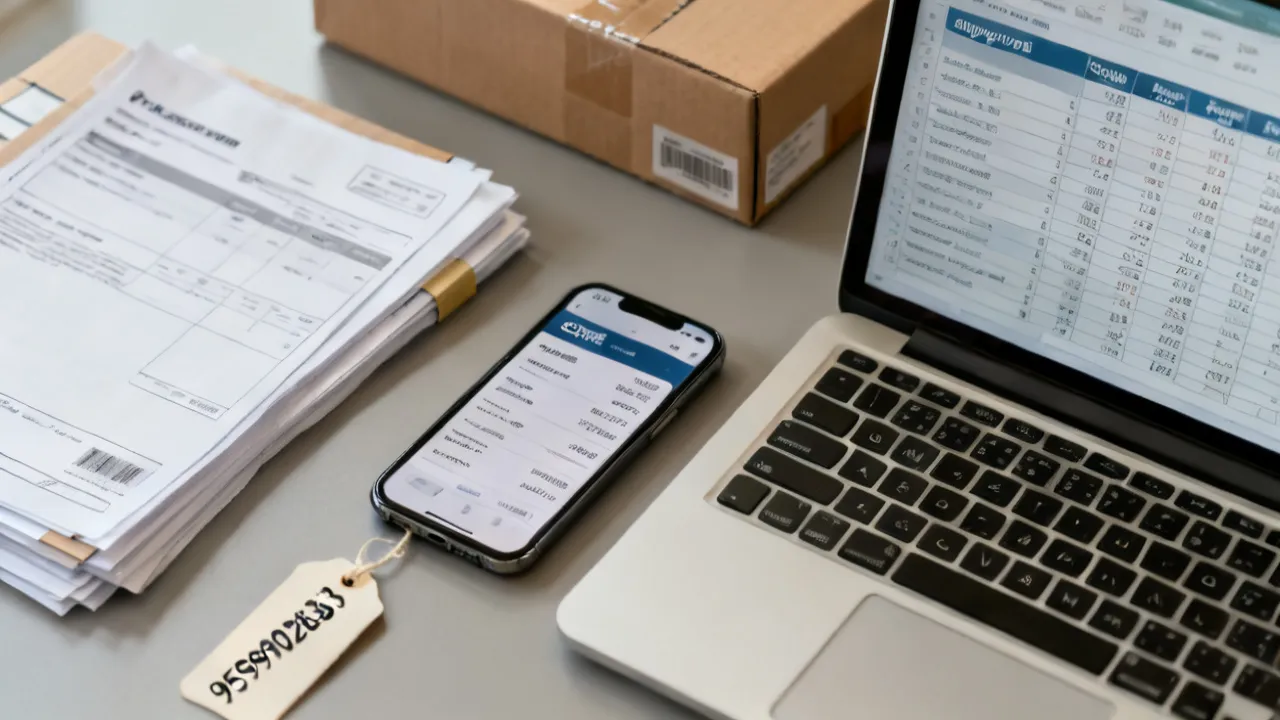
Understanding 95999028383 Procurement, Supply, and Pricing
This guide explains how to evaluate procurement options and pricing when the identifier 95999028383 is involved, focusing on supplier verification, cost drivers, and delivery constraints. Objectively, the keywords relate to sourcing decisions where reliability, documentation, and clear terms matter. Readers will learn a structured approach to comparing suppliers, assessing compliance, and reducing procurement risk.