English

Dealing with plaque psoriasis can be challenging, but effective management of skin symptoms can significantly improve your quality of life.

Plaque psoriasis is a chronic autoimmune condition characterized by the rapid growth of skin cells, leading to thick, red, and scaly patches known as plaques. These plaques commonly appear on the scalp, elbows, knees, and lower back, but can develop anywhere on the body.
Recognizing the skin symptoms associated with plaque psoriasis is crucial for effective management. Common symptoms include:
Consulting a dermatologist for a proper diagnosis is vital. The doctor will typically conduct a clinical examination, review your medical history, and possibly perform a biopsy. Discuss your symptoms thoroughly to establish an accurate diagnosis and develop a suitable treatment plan.
Effective management involves a combination of medical treatments and lifestyle choices. Here are some recommended strategies:
Regular follow-up visits with your dermatologist are crucial for monitoring the progression of the disease and adjusting treatments as necessary. Keep a symptom diary to discuss changes and effects during your appointments.
Contact your dermatologist if:
Effective management of plaque psoriasis and its associated skin symptoms requires a comprehensive approach. With the right combination of treatments and lifestyle modifications, you can manage your symptoms and improve your quality of life. Always consult your healthcare provider for personalized advice and treatment plans tailored to your needs.
Government Phone Programs and iPhone Alternatives Guide

iPhone Access Options Through Government Support

iPhone Options via Government Phone Programs

IPhone Options via Government Phone Programs Nearby

iPhone Affordable Phone Options Through Lifeline Programs

Government Phone Plans: Iphone Access Without Cost

Getting an iPhone Plan Through Government Assistance
A Practical Guide to iPhone Phone Assistance Plans

iPhone Affordable Phone Guide via Government Programs

Orthoworld Blackpool: Expert Guide to Choosing Treatments
This guide explains what to expect when considering Orthoworld Blackpool for orthodontic care, from initial assessment through treatment planning. Objectively, “Orthoworld Blackpool” refers to a local orthodontic practice associated with the Blackpool area. The page outlines how clinics typically evaluate suitability, discuss appliances, and set timelines based on clinical need rather than generic promises.
Orthoworld Blackpool: Expert Guide to Orthodontic Choices
Orthoworld Blackpool guide readers through orthodontic options by explaining how clinical decisions are made, what to expect during assessment, and how to compare treatments objectively. Background information clarifies what “Orthoworld Blackpool” represents in local care, why alignment and oral health planning matter, and how practitioners structure treatment pathways for different needs.
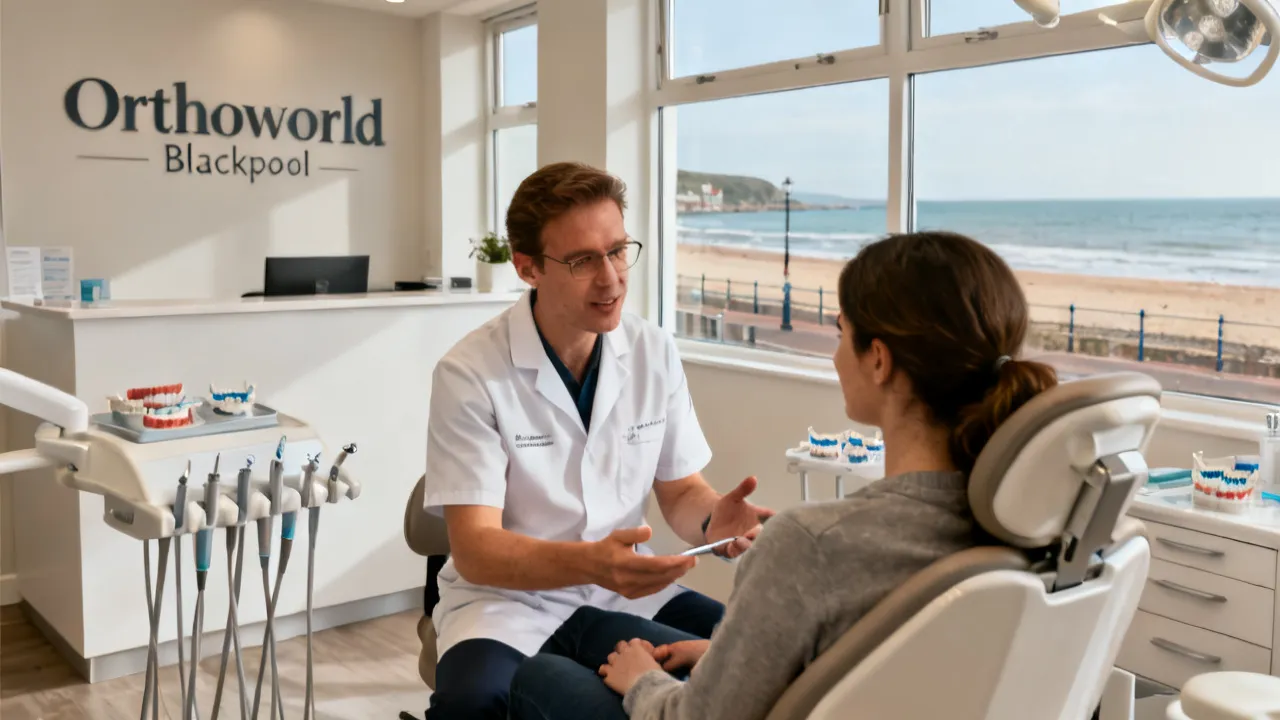
Orthoworld Blackpool: Expert Guide to Orthodontic Options
Orthoworld Blackpool offers structured orthodontic support designed around comfort, clinical assessment, and clear treatment planning. This guide explains what orthodontic services typically include, how clinics evaluate alignment concerns, and why choosing a provider like Orthoworld Blackpool matters for good outcomes—particularly for patients in and around Blackpool who want locally attentive care.
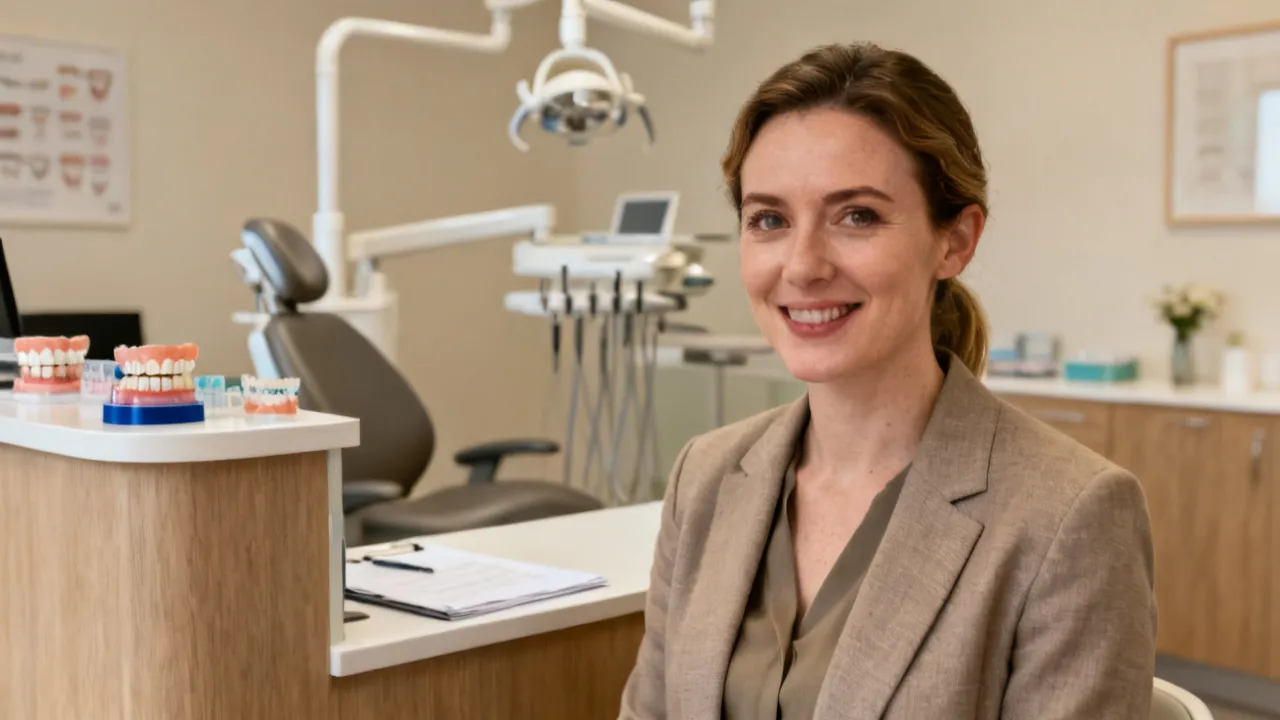
Orthoworld Blackpool: Clear Aligners Expert Guide
This guide explains what Orthoworld Blackpool offers and how to assess clear aligner and orthodontic options with a clinician-led approach. Background information is provided objectively on what “Orthoworld Blackpool” typically represents in local care, why patient fit and records matter, and how treatment planning aligns with evidence-based orthodontic standards.
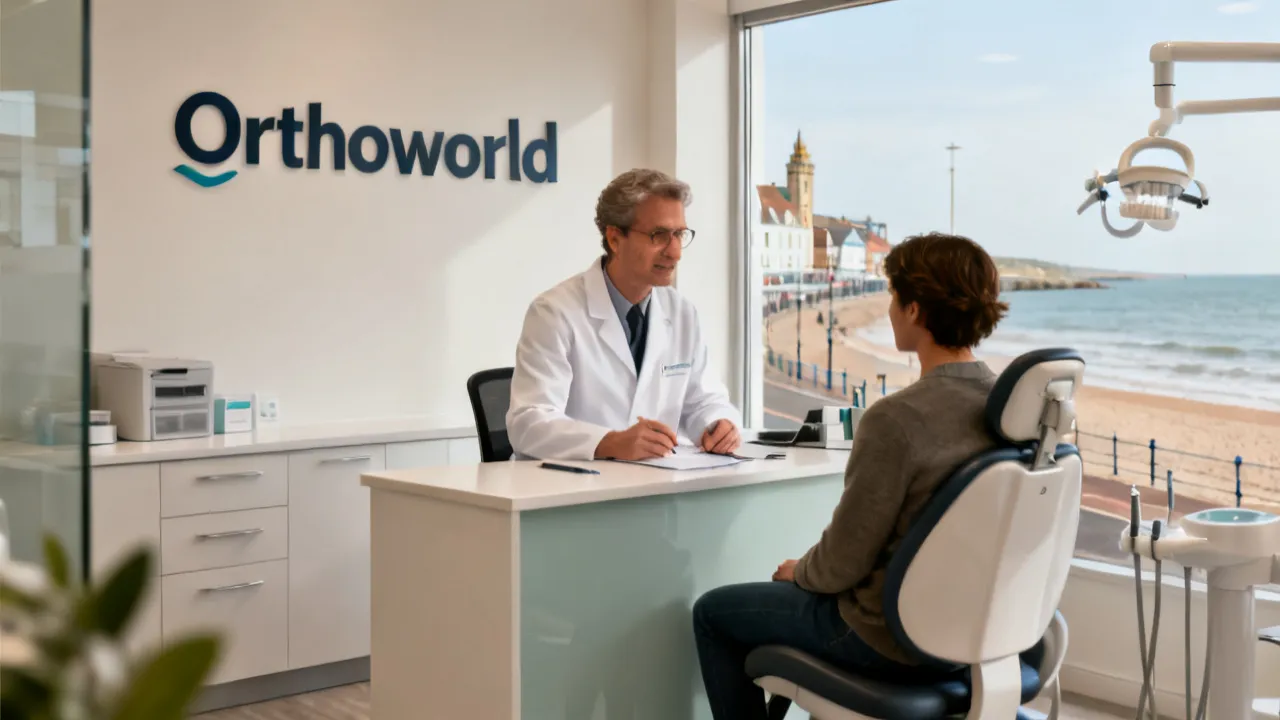
Orthoworld Blackpool: Expert Orthodontic Care Guide
This guide explains how Orthoworld Blackpool approaches orthodontic assessment, treatment planning, and case management. It provides objective background on common orthodontic pathways and how location-specific service considerations can shape scheduling and follow-up. The aim is to help patients understand what to expect, what to ask, and how to compare care quality responsibly—without relying on marketing claims.
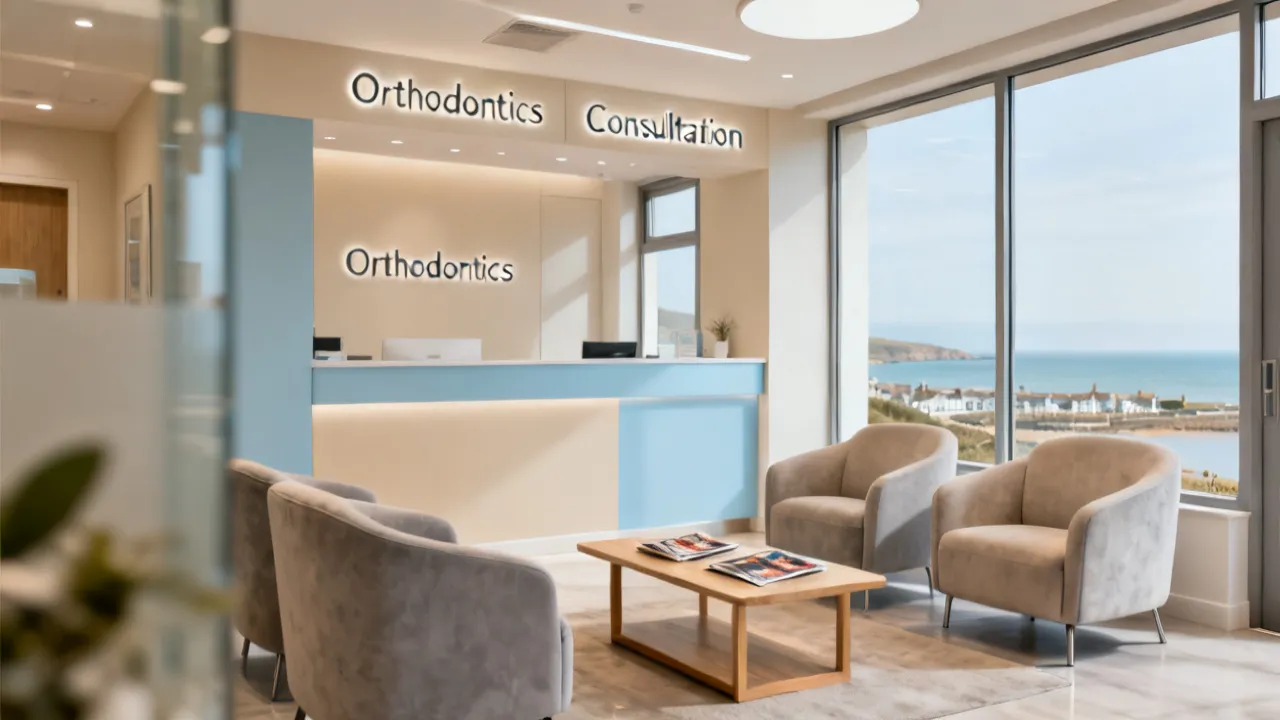
Orthoworld Blackpool: Expert Guide to Orthodontic Options
This guide explains how Orthoworld Blackpool supports orthodontic planning, from initial assessment through ongoing care. It provides objective background on orthodontic services, treatment pathways, and decision factors relevant to patients in the nearby Blackpool area, focusing on practical considerations such as assessment quality, appliance suitability, and continuity of care.