English

This guide explains how qualifying residents can access a “government phone” through Lifeline-supported providers, focusing on SafeLink Wireless, Assurance Wireless, StandUp Wireless, Access Wireless, and True Wireless. It objectively reviews what these plans typically include, how eligibility and applications generally work, and what extra fees may apply for device upgrades or expanded data—helping applicants choose the very suitable option without surprises.

If you are searching for “Affordable Government Phone Nc,” it’s important to know that the commonly referenced “government phone” in the U.S. is not a single, identical plan offered by one company across the entire country. Instead, most people are talking about two different—but related—federal support programs that can reduce the cost of wireless service for eligible households.
In many conversations and advertisements, “government phone” most commonly refers to Lifeline, a long-running FCC-supported program that helps eligible consumers pay for communications service. Depending on your circumstances, you may also qualify for an additional benefit called the Affordable Connectivity Program (ACP), which has historically helped reduce broadband and wireless connectivity costs. In real-world use, many providers offer a service package that reflects a Lifeline benefit and, where applicable, can also include ACP-related support or similar subsidized connectivity elements depending on current program rules and availability.
When you look at provider websites—such as SafeLink Wireless, Assurance Wireless, StandUp Wireless, Access Wireless, and True Wireless—you may see that they all operate under a government-supported eligibility framework, but the details of what you receive are shaped by the specific provider, the plan configuration in your state, and the particular benefit combination you qualify for at that time.
From an industry perspective, the “top” plan is less about marketing claims and more about matching your needs to three operational realities:
So if your goal is “what should I expect when I sign up,” the best expectation is this: the process will revolve around verification and an allowance structure you should read carefully, especially the difference between “unlimited” and “unlimited with limits,” and how “high-speed” data is handled.
Below is a compact comparison that reflects the types of services commonly bundled under government-supported wireless offerings and the kinds of additional charges that may apply. Keep in mind: exact availability, data allotment sizes, device tiers, and any add-on pricing can vary by state and by the specific program configuration used for your account.
Also note that these providers often present plans with a mix of included and optional items. “Included” usually means the subsidized allowance for eligible customers. “Potential extra costs” usually means upgrades, additional data, or certain device improvements that the subsidy may not fully cover.
| Official provider plan website | Services included in government-supported plans | Potential additional package costs |
|---|---|---|
| Safelinkwireless.com | Affordable smartphone or bring-your-own-device options; unlimited text and calls; data allowances that can vary by plan/state | Premium device upgrades or additional data/feature upgrades may carry fees |
| assurancewireless.com | Affordable Android smartphone; unlimited talk and text; data allowances (with possible tiering) | Optional upgrades such as additional high-speed data and certain calling features may cost extra |
| standupwireless.com | Affordable smartphone or BYOD options; unlimited talk and text; data plans with qualifying allowances | Premium phone upgrades or extra data may be available for a fee |
| accesswireless.com | Unlimited voice and text; limited high-speed data; may reflect Lifeline and/or ACP benefits | Data boosts and device upgrades may cost extra |
| gotruewireless.com | Government-supported phones, voice, and data plans under qualifying benefits | Optional better-device upgrades or additional data plans may cost extra |
Source of the comparison information: information summarized from the official provider plan pages listed above.
Provider sources (official websites):
https://www.safelinkwireless.com
https://www.assurancewireless.com
https://standupwireless.com/
https://www.accesswireless.com
https://www.gotruewireless.com/
When applicants search for “Affordable Government Phone Nc,” they often expect a single, identical benefit nationwide: the same provider, the same phone, and the same data speed. In practice, the experience is shaped by program rules, provider configurations, and the current state-by-state implementation details.
Even when two plans both offer “free service,” the quality and adequacy can differ. The key is to distinguish between four categories: voice/text, data allowance, device option, and optional upgrades.
Here’s the common pattern most readers care about:
Expert insight: Before focusing on “how affordable” the plan is, evaluate “how adequate” the allowances are for your day-to-day usage. Consider how you actually use your phone:
If you rely heavily on high-throughput mobile data, you’ll want to compare the data structure carefully—especially the difference between “limited high-speed” data versus slower speeds after limits. Even if you see “unlimited data” phrasing, many plans still impose a usable “high-speed” window and then reduce speed or change priority after the allowance is used.
In general terms, Lifeline-related benefits are restricted to eligible households. Exact thresholds can change, and program rules can be updated over time, but the commonly referenced framework includes income eligibility and/or participation in qualifying assistance programs.
While the details vary, these are widely referenced eligibility routes:
How this relates to the providers you’ll see online: Providers like SafeLink Wireless, Assurance Wireless, StandUp Wireless, Access Wireless, and True Wireless typically follow the same core eligibility logic. However, each provider has its own application flow, its own documentation checklist, and its own verification processing approach. That means your documentation quality and completeness can directly affect approval speed and success.
Practical note on verification: Many delays happen for reasons that are avoidable: missing pages, illegible documents, mismatched names, incorrect mailing addresses, or submitting documents that don’t clearly show an eligibility basis. When possible, take time to ensure:
Application requirements can vary by provider, but the process usually follows a predictable sequence. Below is a practical workflow designed to reduce delays, minimize resubmissions, and improve the odds that your application is verified quickly.
Some plans may reference Lifeline alone, while others may incorporate ACP-related support or other connectivity assistance elements depending on the rules and timing. If you receive both benefits, your service allowance and pricing structure may differ from a Lifeline-only setup. Read the provider’s “benefits” language carefully before you submit documents.
Prepare proof that matches your likely qualification pathway (income documentation or proof of participation in a qualifying assistance program). Keep it readable: scans that are too dark, partially cut off, or hard to interpret often trigger resubmission.
If you want to keep your current device, confirm whether it meets the provider’s network requirements. “Compatible” can mean more than just being unlocked—some providers require the device to support specific network frequencies or to be on supported network configurations.
If you prefer a provided smartphone, review which device tier you can receive and what comes in the box. Be mindful that device availability may be limited by current inventory and eligible plan tiers.
Many providers allow online submission. You’ll typically enter personal information, household information, and an eligibility basis (like income or a qualifying program). Make sure the details are entered carefully—typos can cause delays in matching records.
After you submit, the provider usually verifies your information through internal review and/or through federal/state verification systems. If the information doesn’t match or is incomplete, the application can stall until corrections are provided.
To avoid problems, double-check your upload for clarity. If a portal shows a thumbnail preview, zoom in to confirm text is legible.
If you request a smartphone, shipping timelines and activation instructions follow after approval. Track emails and postal updates. If you bring your own device, activation steps may be different, and you may need to obtain network provisioning details from the provider.
Once activated, check your allowance status, how your data speed behaves (especially after you consume data), and whether calls/text work correctly in your area. If anything appears incorrect, contact customer support promptly with your account details.
Below is an objective, operational overview. The goal is not to “rank” providers, but to show how different providers often position the same underlying government-supported concepts. Even if the overall program framework is similar, each provider may emphasize different aspects—device types, BYOD pathways, or how they describe data management.
SafeLink Wireless commonly highlights a qualifying smartphone option and BYOD pathways, often emphasizing unlimited talk and text and data allowances that may vary depending on plan/state. Applicants should review whether premium device upgrades or expanded data are available only for an added cost.
What to check on SafeLink’s application pages:
Assurance Wireless is often associated with an Android smartphone offering and unlimited talk and text, along with data allowances that may be tiered or otherwise configured based on your eligibility. As with other providers, add-ons—such as additional high-speed data—may not be included and can require separate charges.
What to check before you submit:
StandUp Wireless generally presents an affordable smartphone or BYOD choice with unlimited talk/text and qualifying data plans. The provider’s site information typically notes that premium device upgrades or additional data may be offered for a fee.
What to focus on for decision-making:
Access Wireless frequently describes unlimited voice and text plus limited high-speed data tied to qualifying benefits such as Lifeline and/or ACP (or similar connectivity support depending on current eligibility and plan configuration). Applicants should pay special attention to whether data boosts, device upgrades, or additional features are available as paid add-ons.
How to interpret the data language: If the plan promises unlimited data, look for qualifiers. Many consumer plans treat “unlimited” as unlimited total usage but with reduced speeds after you use the included high-speed allowance. That distinction matters if you want to stream, tether, or do frequent video calls.
True Wireless is commonly referenced for government-supported phones and service plans. As with the broader category, optional upgrades to better devices or additional data can incur costs, even when base service is supported.
What to check on True Wireless materials:
From a consumer-telecom strategy standpoint, the “right” provider is the one that minimizes friction for your exact constraints. Subsidized phone plans can be incredibly valuable, but the “best” one is not necessarily the one with the most polished marketing—it’s the one that gives you adequate service with minimal hassle.
Here’s an objective framework:
Localization note: In “nearby” communities, applicants often benefit from choosing a provider whose application process matches their comfort level—online-only submissions versus guided assistance—because documentation and verification can be the biggest source of delay.
Additional decision factors many people forget:
It generally refers to government-supported wireless service delivered by Lifeline-eligible providers (and sometimes combined with additional connectivity support depending on current program rules). Your eligibility depends on household qualification rules, and the services offered—talk/text/data and device options—can vary by provider and state configuration. In North Carolina specifically, the provider’s state-specific availability and verification pathways can influence what you receive and how quickly.
Yes. Participation in certain eligible assistance programs is commonly an accepted qualification route. You’ll still need to provide proof during the application and pass verification. Make sure the documentation you upload clearly shows the relevant program name and your eligibility information.
The base supported service is designed to be subsidized for eligible households; however, costs may apply for optional upgrades such as premium devices, additional data, or certain add-on features. Even if you don’t pay for the baseline plan, you should still read the terms for any optional choices you might accidentally add during checkout or plan selection.
Timelines vary based on verification speed, completeness of documentation, and whether your account requires additional review. In general, submitting clear documents and entering your information accurately helps reduce delays. If you receive requests for additional information, respond quickly and follow the provider’s instructions exactly.
Many providers allow BYOD for qualifying customers, but your device must be compatible with the provider’s network and provisioning requirements. If you are unsure, check the provider’s device compatibility guidance or use any “check your phone” tools on the application pages.
Usually, yes. Providers provide activation instructions for either a new device shipment or BYOD activation steps. If activation fails, contacting support with your account details is often the fastest path to resolution. Before contacting support, confirm you have followed the instructions exactly and that any required SIM/eSIM steps were completed correctly.
No. While these programs operate within similar eligibility frameworks, providers may offer different device tiers, data allowance structures, and optional upgrade paths. Feature details should be confirmed directly on the provider’s official site during application, because plan configurations can change over time.
If you’re aiming to secure a government-supported mobile plan, start by verifying your eligibility pathway (income-based or assistance-program-based), preparing clean documentation, and reading the provider’s plan description with attention to data allowance structure and optional paid upgrades. Providers such as SafeLink Wireless, Assurance Wireless, StandUp Wireless, Access Wireless, and True Wireless follow broadly similar eligibility logic, but the best match for you depends on device preferences (affordable smartphone vs. BYOD), your data needs, and how smoothly your verification documents align with the provider’s requirements.
Approach it like any other service decision: confirm the plan details, confirm device compatibility, verify what is included vs. optional, and complete the application with careful accuracy. That diligence is usually the difference between a fast activation and a slower process that requires corrections.
1) The above information comes from online resources, and the data is as of October 2023.
2) This website cannot guarantee that applicants will definitely get a government affordable phone. For specific application requirements and how to obtain it, please refer to the official requirements of the provider. This website will not be updated in real time.
Government Phone Programs and Affordable Service Options

Affordable Government Phone Options: Eligibility and Providers
Guide to Getting a Government Phone Nearby
Affordable Government Phone Options: Lifeline & ACP Guide
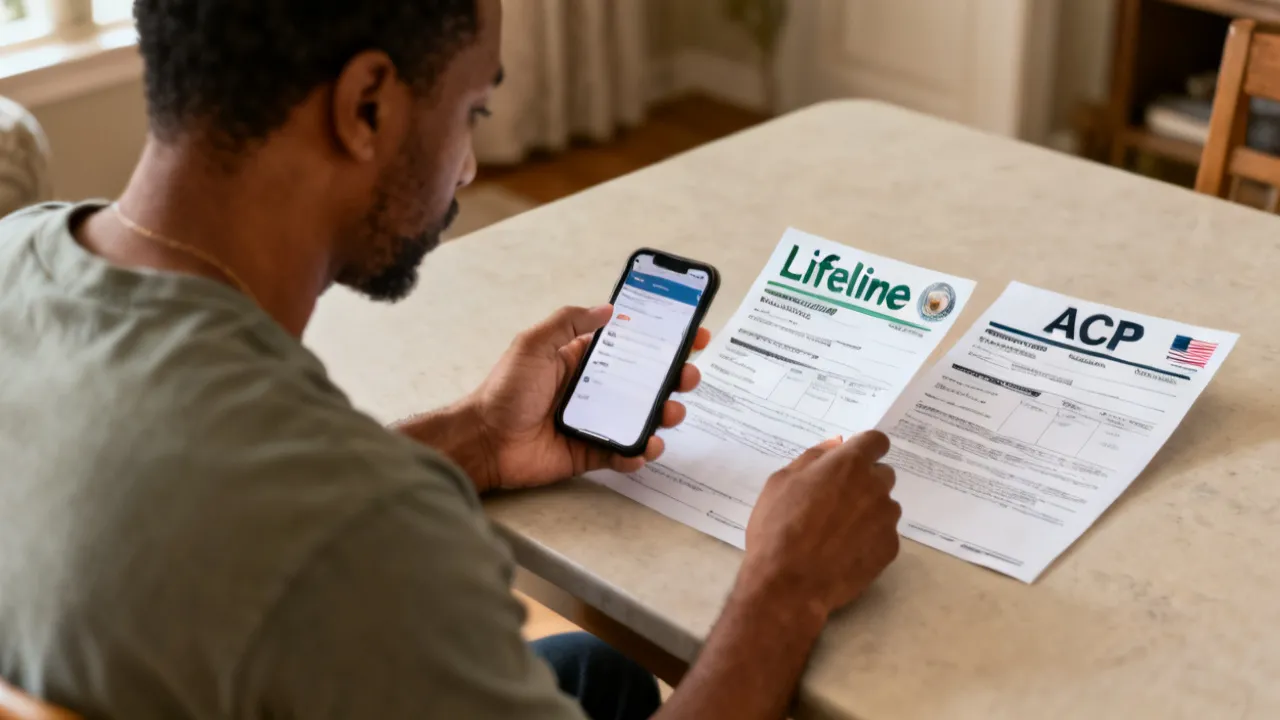
Affordable Government Phone Plans: Eligibility and Provider Guide
Affordable Government Phone Options in North Carolina Nearby
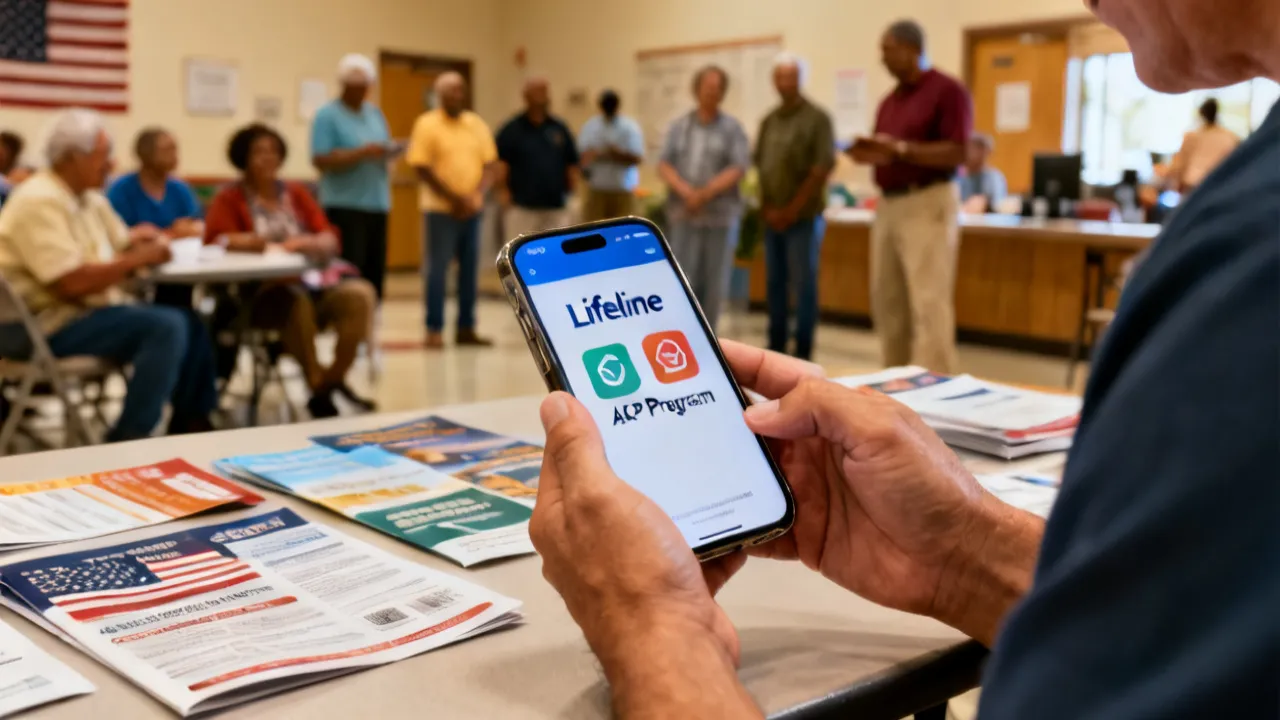
Government Phone Programs and Eligibility for Affordable Service
Affordable Government Phone: How to Get One Nearby
Affordable Government Phone Options for Eligible Households
Government Phone Programs and Affordable Service Options
This guide explains how to access government phone support programs in the U.S., including Safelink Wireless, Assurance Wireless, StandUp Wireless, Access Wireless, and True Wireless. It objectively reviews provider offerings, eligibility standards, and step-by-step application workflows so readers can evaluate which option fits their situation and documentation needs.
Affordable Government Phone Options: Eligibility and Providers
This guide explains how to obtain a government-supported mobile service program and compares major providers offering a Affordable Government Phone Nc-style benefit. It covers eligibility based on income and assistance programs, application steps, and what plans typically include. It then reviews provider differences, common requirements, and practical tips for a successful application.
Guide to Getting a Government Phone Nearby
This guide explains how to obtain a “government-supported mobile phone” through reputable Lifeline providers, including SafeLink Wireless, Assurance Wireless, StandUp Wireless, Access Wireless, and True Wireless. It outlines eligibility, step-by-step application workflows, and what services typically come with these plans, while clarifying common add-on costs and practical expectations for coverage and device options.
Affordable Government Phone Options: Lifeline & ACP Guide
This guide explains “Affordable Government Phone Nc” options and how nearby residents can access government-supported phone services. It reviews major Lifeline and ACP providers, outlines eligibility and application steps, and compares what you typically receive (service allowances, device options, and optional add-on costs). Background context covers how these programs work and what documents matter.
Affordable Government Phone Plans: Eligibility and Provider Guide
This guide explains how qualifying residents can access a “government phone” through Lifeline-supported providers, focusing on SafeLink Wireless, Assurance Wireless, StandUp Wireless, Access Wireless, and True Wireless. It objectively reviews what these plans typically include, how eligibility and applications generally work, and what extra fees may apply for device upgrades or expanded data—helping applicants choose the very suitable option without surprises.
Affordable Government Phone Options in North Carolina Nearby
This guide explains how residents can access government-supported phone services, including “Affordable Government Phone Nc” options available nearby. It objectively reviews common Lifeline-related providers, what services typically include, and who may qualify. You’ll also find a side-by-side comparison of official plan resources, plus practical steps to apply, required documentation, and FAQs to help reduce confusion.