background Layer 1 background Layer 1 background Layer 1 background Layer 1 background Layer 1
Home
>
Home
>
Choosing the Right Refrigerator: Size and Energy Efficiency Tips

Choosing the Right Refrigerator: Size and Energy Efficiency Tips

Apr 16, 2025 3 min read

Finding the perfect refrigerator involves considering both size and energy efficiency to meet your needs and save on utility bills. Here’s a comprehensive guide:

Choosing the Right Refrigerator: Size and Energy Efficiency Tips

Understanding Your Requirements

Before diving into specifications and features, assess your household’s specific needs.

Evaluate the Suitable

Size


  • Measure Your Space


    Ensure accurate measurements of the available space where the refrigerator will be placed. This includes height, width, and depth, factoring in door clearance and ventilation space.

  • Capacity Needs


    Consider the number of people in your household and their food storage habits. A family of four typically requires a refrigerator with a capacity of 18-20 cubic feet, while a single person or couple might need less.

  • Kitchen Layout


    Take into account the kitchen layout. For smaller kitchens, a top-affordablezer or bottom-affordablezer refrigerator might be more suitable, while side-by-side or French door models can offer better accessibility in larger spaces.

  • Emphasize

    Energy Efficiency


  • Energy Star Ratings


    Look for refrigerators with an Energy Star label. These models meet strict energy efficiency guidelines set by the U.S. Environmental Protection Agency and can significantly reduce energy use.

  • Annual Energy Consumption


    Examine the yellow EnergyGuide label which states the estimated annual energy consumption and cost. Aim for models with lower annual energy use to save on electricity bills.

  • Inverter Technology


    Refrigerators equipped with inverter technology adjust their cooling power based on the requirements, leading to lower energy consumption and quieter operation.

  • Additional Features to Consider

  • Smart Features


    Modern refrigerators offer smart features like touch screens, temperature control, and connectivity with other smart home devices. These can enhance convenience but may come at a higher energy cost.

  • Water and Ice Dispensers


    While convenient, these features tend to increase energy consumption. If energy efficiency is a top priority, consider forgoing these extras.

  • Adjustable Shelves and Compartments


    Versatile storage options, like adjustable shelves and separate compartments for meat, vegetables, and dairy, can make the refrigerator more functional and help maintain optimal cooling efficiency.

  • Maintenance for Optimal Efficiency

  • Regular Cleaning


    Clean the refrigerator coils and ensure the door seals are tight. Dirty coils and poor sealing increase energy use by making the refrigerator work harder to maintain temperature.

  • Proper Temperature Settings


    Set the refrigerator temperature to 37-40 degrees Fahrenheit (2.7-4.4 degrees Celsius) and the affordablezer to 0 degrees Fahrenheit (-18 degrees Celsius) for efficient performance.

  • Defrost Regularly


    Manual defrost models need regular defrosting to prevent ice buildup, which can reduce cooling efficiency and increase energy consumption.

  • Brands and Models to Consider

  • LG


    Known for energy-efficient models and innovative designs, LG offers a range of refrigerators with high energy ratings and smart features.

  • Samsung


    Renowned for stylish, modern fridges, Samsung combines aesthetics and efficiency, often featuring inverter technology and versatile storage solutions.

  • Whirlpool


    Reliable and efficient, Whirlpool refrigerators are a popular choice for their straightforward functionality and consistent performance.

  • Cost vs. Savings Analysis

  • Initial Investment


    Energy-efficient models typically cost more upfront but result in good savings on energy bills. Factor in both the purchase price and the potential savings over the refrigerator's life.

  • Public sector Rebates and Incentives


    Check for public sector rebates or incentives for purchasing energy-efficient appliances. These can offset the initial higher costs and make energy-efficient choices more affordable.

  • Conclusion

    Selecting the ideal

    refrigerator


    requires balancing the right

    size


    and

    energy efficiency


    . By measuring your space, considering your household’s needs, and prioritizing energy-saving features, you can find a refrigerator that’s both functional and cost-effective, contributing to lower energy bills and a smaller environmental footprint.

    🏆 Popular Now 🏆
    • 1

      Unveiling the B2B MBA Experience

      Unveiling the B2B MBA Experience
    • 2

      Navigating the B2B MBA Landscape

      Navigating the B2B MBA Landscape
    • 3

      Affordable Recliner Chairs for Seniors: A Comprehensive Buying Guide

      Affordable Recliner Chairs for Seniors: A Comprehensive Buying Guide
    • 4

      Maximizing Energy Savings with Solar Roof Tiles: Price and Benefits
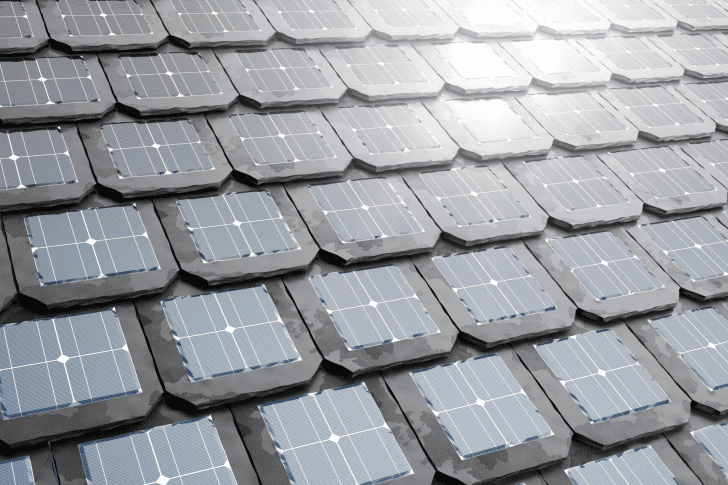
      Maximizing Energy Savings with Solar Roof Tiles: Price and Benefits
    • 5

      Navigating the B2B MBA Landscape

      Navigating the B2B MBA Landscape
    • 6

      Affordable Smart Beds for Seniors: A Comprehensive Guide

      Affordable Smart Beds for Seniors: A Comprehensive Guide
    • 7

      Fast Approval Personal Loans for Bad Credit

      Fast Approval Personal Loans for Bad Credit
    • 8

      Understanding Hepatitis C: Symptoms and Treatment Guide

      Understanding Hepatitis C: Symptoms and Treatment Guide
    • 9

      Finding Affordable Housing for Seniors

      Finding Affordable Housing for Seniors